Stewardship
We believe the vegetation, wildlife, and landscapes of the West are a legacy worth protecting — and we act as caretakers of that legacy for generations to come.
Wild Western Alliance is dedicated to preserving the vegetation, wildlife, and ecology of the American West.
We work hand-in-hand with local, state, and federal agencies to advance preservation and management efforts.
At the core of our approach is data: we architect the right mix of remote sensing tools and collection methods, connect them to the analysis needed to drive smart decisions.
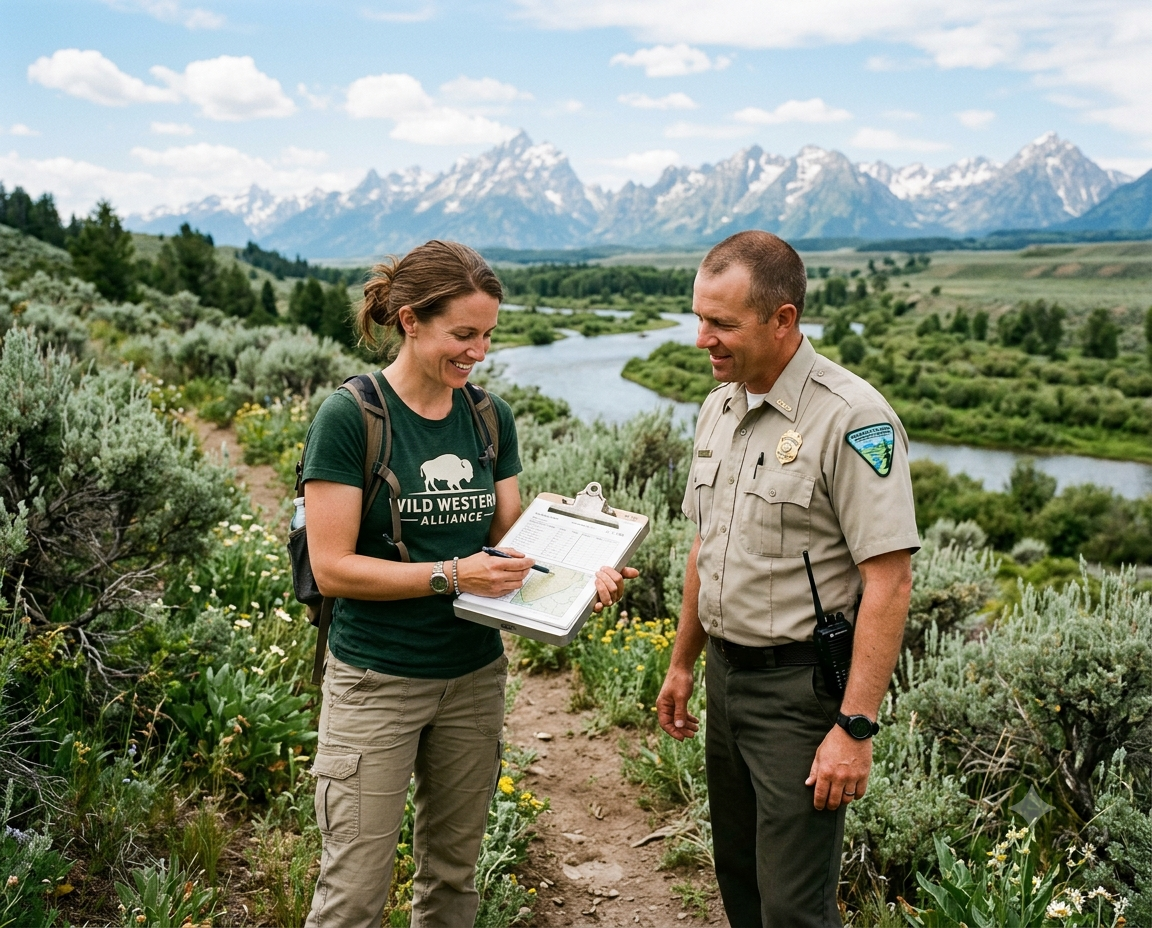
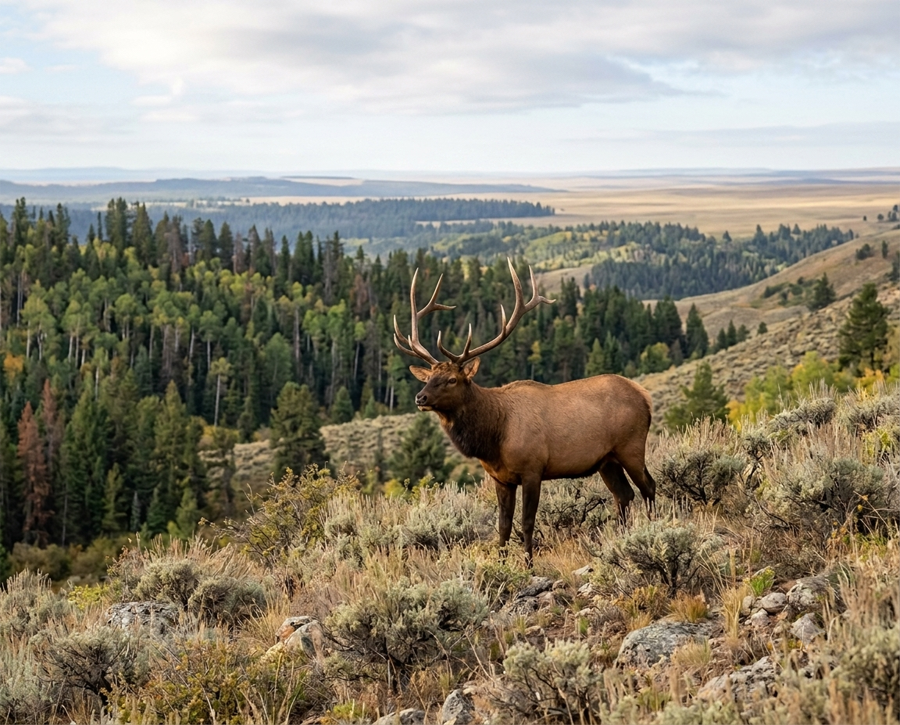
We help protect and preserve the wildlife, vegetation, and lands of the West — through partnerships, awareness, and data-driven action.
We envision an American West where wildlife roams freely across resilient landscapes — where ecosystems are protected not through fragmented effort, but through lasting alliances between communities, agencies, and conservationists.
We see a future where decisions are guided by sound data and shared purpose, where funding and awareness keep pace with need, and where the rugged beauty of the West is preserved as a lasting legacy for generations to come.
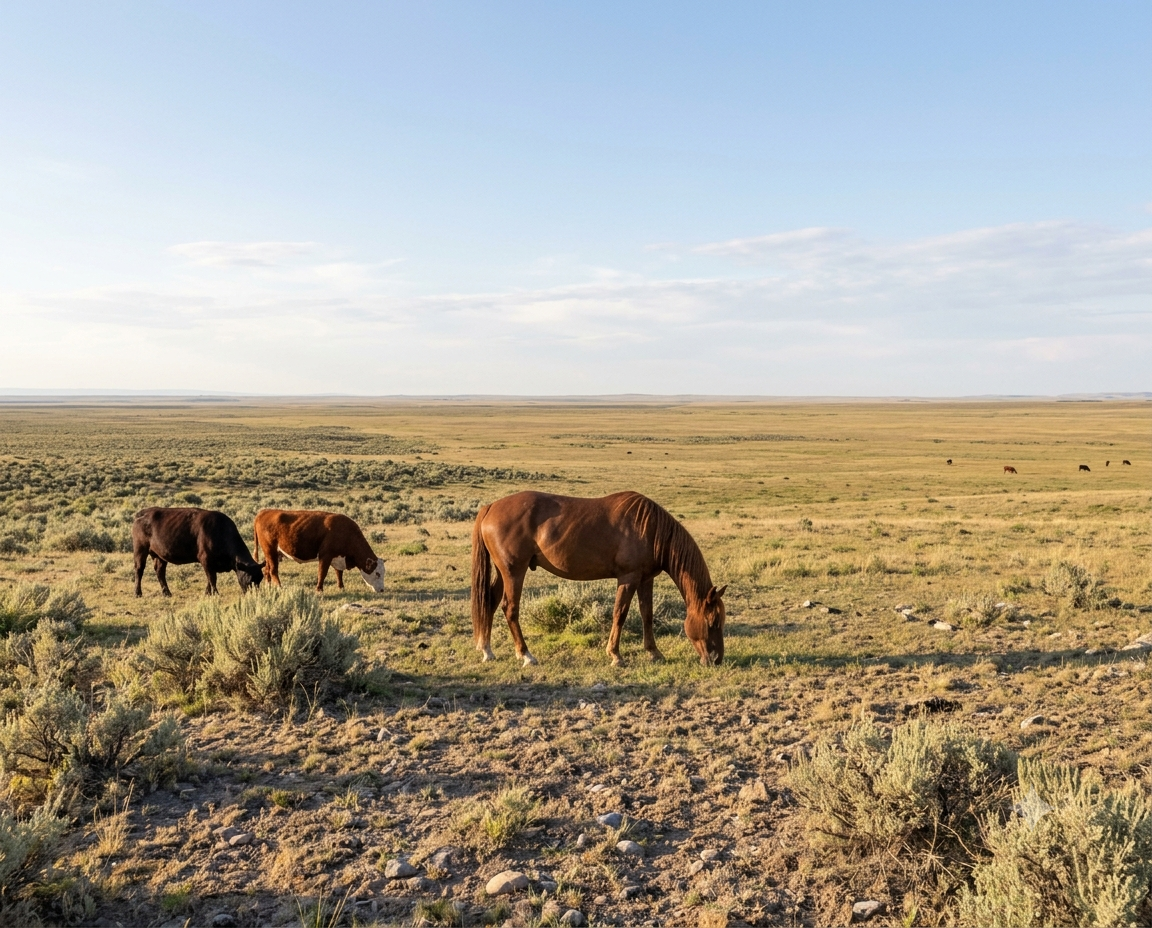
Guiding Principles
The principles that anchor every dataset, partnership, and field initiative we pursue.
We believe the vegetation, wildlife, and landscapes of the West are a legacy worth protecting — and we act as caretakers of that legacy for generations to come.
We speak up for the land and animals that can't speak for themselves — raising awareness and driving action on the issues that threaten the West's natural resources.
Lasting change happens through collaboration. We work alongside local, state, and federal agencies, fellow rescues, and communities to build solutions that endure.
We ground our decisions in data, not assumption — using remote sensing and on-the-ground information to ensure every project delivers real, measurable impact.
We're accountable to our donors, partners, and the public. We share what we do, why we do it, and how resources are used to advance our mission.
The West is losing ground faster than it's being protected. We move fast but deliberately — because a delayed response can mean a lost herd, a degraded watershed, or a landscape that doesn't come back.